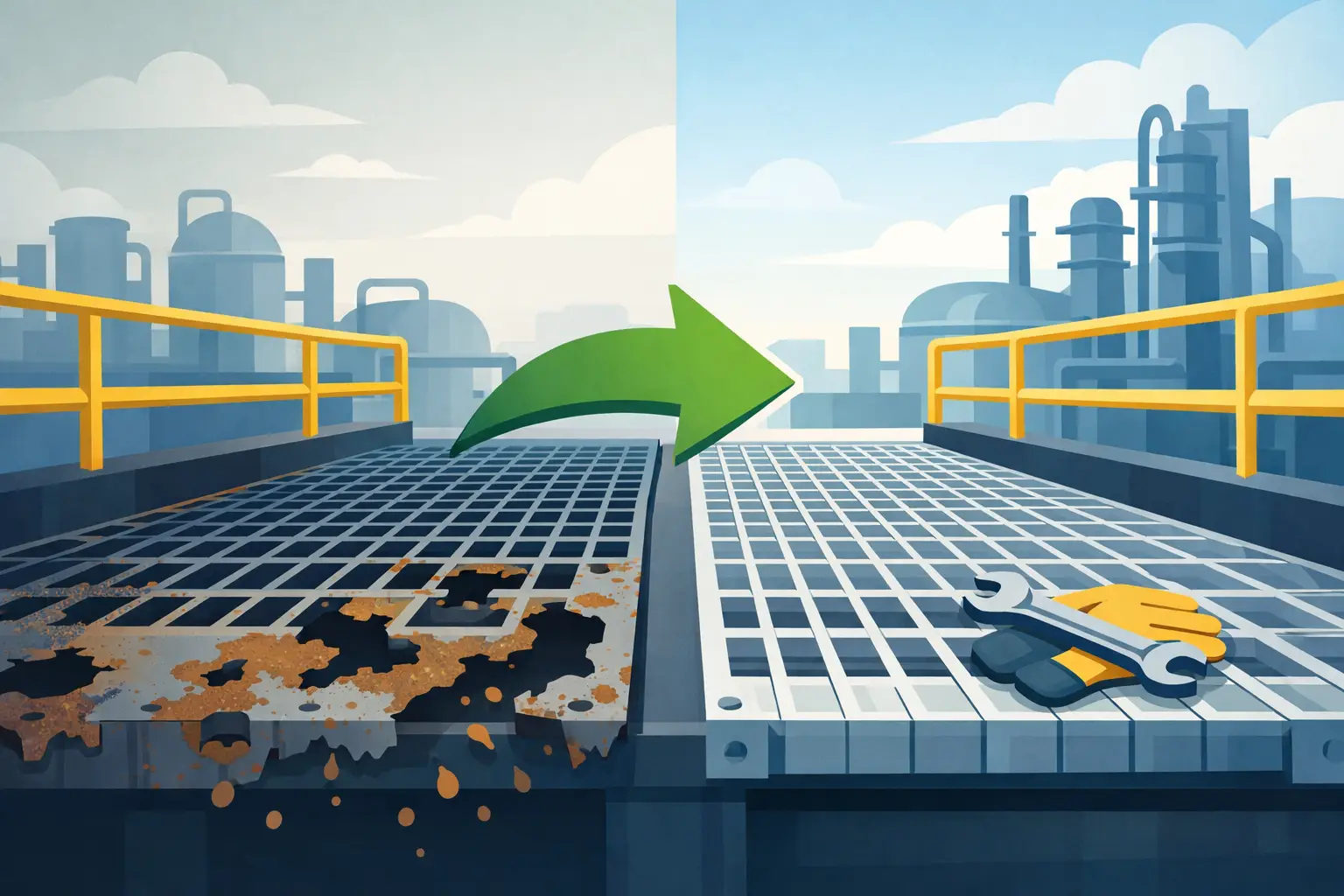
When to Upgrade Corroded Platform Gratings
Learn when to upgrade corroded platform gratings, how to assess safety risks, and why GRP alternatives reduce maintenance, minimise downtime, and improve slip resistance.
Corrosion rarely fails politely. On platforms, walkways, mezzanines and access structures, it starts as localised section loss, coating breakdown or persistent staining, then turns into reduced load capacity, unstable footing and a growing maintenance burden. If you need to upgrade corroded platform gratings, the key question is not simply what looks poor, but what now presents a structural, slip, hygiene or compliance risk.
In industrial environments, that threshold arrives sooner than many teams expect. Chemical exposure, salt-laden air, standing water, washdown regimes and process contamination do not just shorten the life of steel gratings. They also create repeated shutdowns for repair, inspection and recoating. For HSE, maintenance and asset teams, the issue is rarely the grating alone. It is the effect on access safety, operational continuity and lifecycle cost across the whole area.
Why corroded gratings become a wider safety problem
A corroded platform grating is not only a material degradation issue. It changes the behaviour of the walking surface. Bearing bars can lose section. Fixings can seize or fail. Edges become irregular. Deflection can increase under foot traffic or equipment loads. In wet or contaminated areas, the slip risk often rises at the same time that structural confidence falls.
That combination matters in high-consequence settings such as offshore assets, ports, treatment plants, food production areas and public-facing service platforms. Personnel do not experience structural risk and slip risk separately. They experience both at once, often in low visibility, poor weather or time-critical access conditions.
This is why replacement decisions should be framed as a risk-control measure, not a like-for-like maintenance purchase. In many cases, continuing to patch steel gratings extends exposure rather than resolving it.
When to upgrade corroded platform gratings
The correct time to upgrade corroded platform gratings depends on condition, duty and environment, but there are clear triggers. Visible rust alone does not always justify immediate replacement. General surface oxidation on a protected system is different from active corrosion at load-bearing sections, support interfaces or fixing points.
The stronger case for upgrade appears when inspection identifies measurable section loss, recurring coating failure, loose panels, deformation, sharp edges, blocked drainage, or evidence that the surface remains slippery despite cleaning. If access routes are used for escape, routine inspection, chemical handling or high footfall, the tolerance for deterioration should be lower.
Repeated maintenance is another signal. If gratings require frequent blasting, recoating, panel swaps or local welding to remain serviceable, the asset is already expensive. That cost is often hidden across labour, permits, access equipment and disruption. In offshore, maritime and process settings, even a small repair scope can carry disproportionate operational cost.
Hygiene-critical areas add another factor. In food, pharma and water processing, corroded metallic surfaces can become difficult to clean properly and may compromise housekeeping standards. In these environments, a material change can be justified well before outright structural failure.
Assessing whether repair is still viable
Not every corroded platform needs a full replacement programme. Isolated damage on a lightly exposed installation may still be repairable if the original specification remains suitable and the supporting structure is sound. But that decision should come from engineering assessment, not visual optimism.
Start with the environment. If the root cause is persistent chemical attack, chlorides, galvanic interaction or constant wet service, repairing the same material with the same protective system may only reset the clock briefly. Then review loading. Platform gratings in plant access zones, rig areas or service routes may see pedestrian traffic, rolling loads, tools, hose drag or dropped items. The margin for deterioration is smaller where duty is variable or severe.
Also examine interfaces. Corrosion often accelerates around clips, frames and cut edges. A repaired panel installed into a compromised support arrangement can still underperform. In practice, the decision is often less about whether steel can be repaired and more about whether it makes sense to keep specifying a material that is fundamentally mismatched to the environment.
Why GRP is often the upgrade path
Where corrosion is the repeating failure mode, GRP gratings offer a different performance profile rather than a marginal improvement on steel. Because they are non-metallic, they do not rust. In aggressive atmospheres, washdown zones and marine settings, that changes the maintenance equation significantly.
For many operators, the immediate benefit is not only corrosion resistance. It is weight reduction. GRP gratings are lighter to handle, simpler to install on existing structures and often better suited to sites where lifting constraints, access limits or shutdown windows are tight. That can be particularly relevant offshore, on vessels, in wind applications and on ageing infrastructure where additional dead load is undesirable.
Slip performance is another practical advantage. Modern GRP grating systems can be supplied with anti-slip surfaces suited to wet, oily or contaminated environments. That matters where the grating is serving as both a structural platform and a primary pedestrian surface.
There are trade-offs, and they should be considered properly. GRP is not selected by default for every temperature range, fire requirement or point-load condition. Panel design, span, resin system, fixing detail and surface type need to match the application. But where corrosion, maintenance frequency and slip risk are driving the problem, GRP often provides a more durable answer than repeated steel replacement.
Application matters more than material headlines
The phrase GRP grating covers a wide range of products, and specification should be led by application. An offshore escape route, a desalination plant platform, a food processing mezzanine and a public plant deck do not carry the same demands.
In energy and maritime environments, resistance to saltwater exposure, low maintenance demand and reduced installation weight are usually central. In process industry settings, chemical compatibility and long-term surface stability are often more important than simple corrosion resistance claims. In food and pharma, cleanability, anti-slip performance and non-corrosive behaviour under frequent washdown tend to shape the specification.
This is where engineered selection matters. Resin type, bar profile, mesh size, panel thickness and fixing arrangement all affect performance. A platform subject to trolley traffic or concentrated maintenance loads may require a different configuration from a lightly trafficked access route. Procurement teams looking only at nominal panel size and unit cost can miss the factors that determine service life.
Installation strategy can reduce downtime
One reason operators delay replacement is concern over access disruption. That is understandable, especially where gratings sit within live process areas, marine operations or critical infrastructure routes. But an upgrade programme does not have to mean major structural intervention.
In many cases, corroded panels can be removed and replaced with custom-engineered GRP sections designed around the existing support layout. That reduces hot works, simplifies handling and shortens the installation window. Where the supporting steelwork remains viable, the project can focus on the walking surface rather than full platform reconstruction.
This distinction has major cost implications. Replacing only the failed grating system, rather than rebuilding the complete platform, often allows clients to address the immediate risk without creating unnecessary capital scope. It also makes phased upgrades possible, which can be useful on large estates with mixed conditions.
What specifiers should ask before approving replacement
Before committing to a solution, teams should test it against the operating reality of the site. The basic questions are straightforward. What is causing the corrosion? What loads must the platform carry? Is slip resistance a parallel issue? Does the area require chemical resistance, electrical non-conductivity or low maintenance access? Will the new panels be fitted to existing steel supports, and if so, are those supports still suitable?
Documentation matters as much as product choice. Datasheets, load data, resin suitability and fixing details should all support the approval process. For compliance-led sectors, that evidence is often as important as the material itself. Buyers are not only selecting gratings. They are selecting a documented risk control with a defined service life expectation.
Specialist suppliers with application-led experience can help narrow this quickly. Real Safety supports projects where corroded steel access surfaces need to be upgraded with non-metallic, anti-slip systems suited to harsh industrial environments and constrained installation conditions.
The long view on asset performance
When teams postpone action on corroded gratings, they usually do so to avoid immediate cost. Yet the longer-term cost often rises through reactive repairs, permit hours, temporary barriers, reduced access confidence and unplanned outages. More importantly, deteriorated walking surfaces shift risk back onto people who rely on them every day.
A better approach is to treat platform grating replacement as part of a broader access safety strategy. If an area is wet, aggressive, difficult to maintain or repeatedly failing inspection, the priority should be a material and surface system aligned with that environment. In many cases, that means moving away from metallic gratings altogether.
The practical question is not whether a corroded panel can survive one more maintenance cycle. It is whether the platform still represents a dependable control measure for safe movement, inspection and escape. If the answer is uncertain, the upgrade decision is already closer than it appears.
Similar Articles
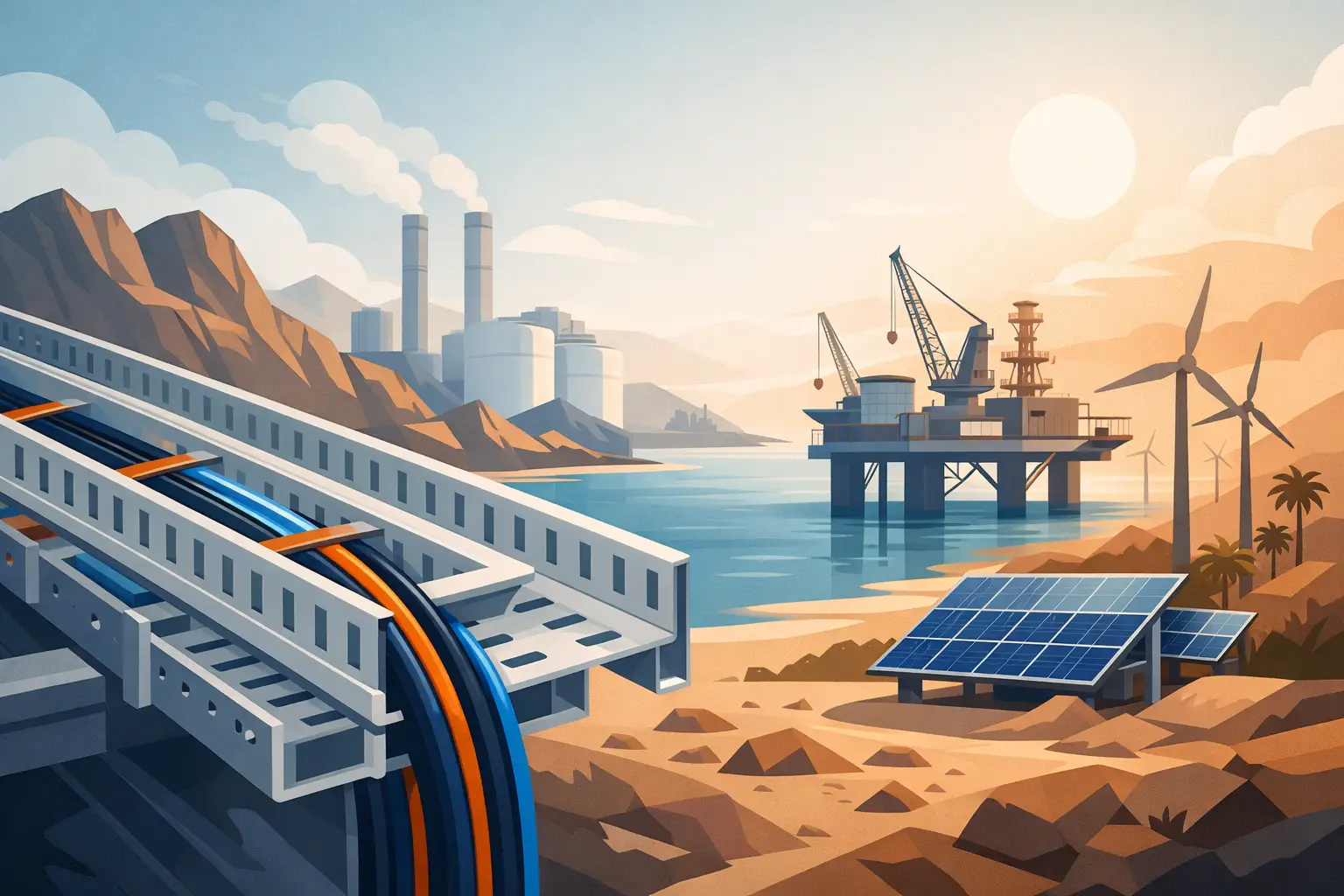
Non Metallic Cable Trays for Industrial Environments
Non metallic cable trays for industrial environments. Discover the benefits of corrosion resistance, lower weight, electrical safety, and reduced maintenance.
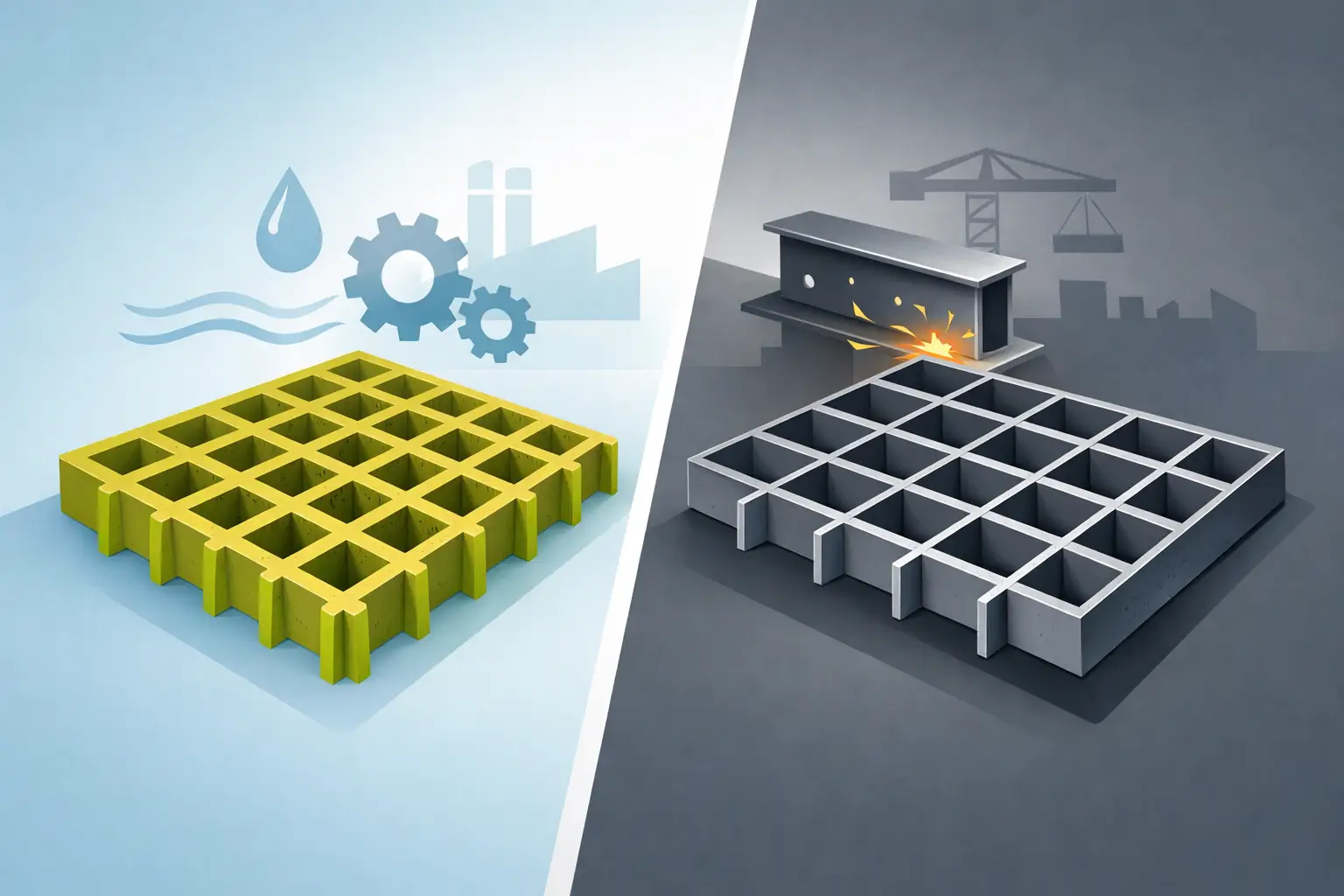
GRP Grating vs Steel Grating: Which Is Safer for Your Workplace?
Choosing between GRP and steel grating? Compare safety, durability, maintenance, and performance for industrial environments.
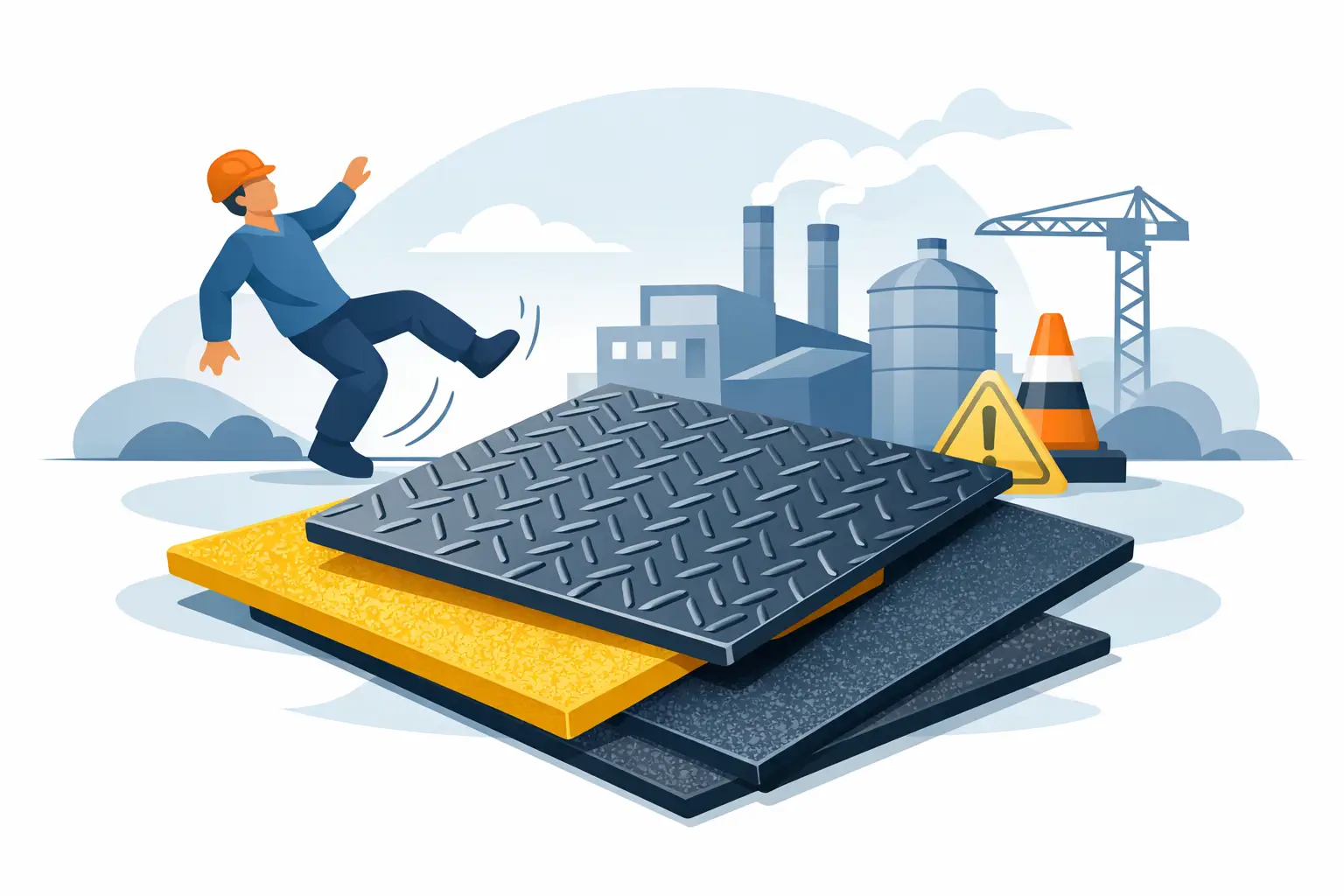
Anti Slip Floor Plates for Industry
Anti slip grp floor plates for industry reduce slips, corrosion issues and downtime across harsh sites with durable, compliant surface upgrades.